piątek, 28 lutego 2014

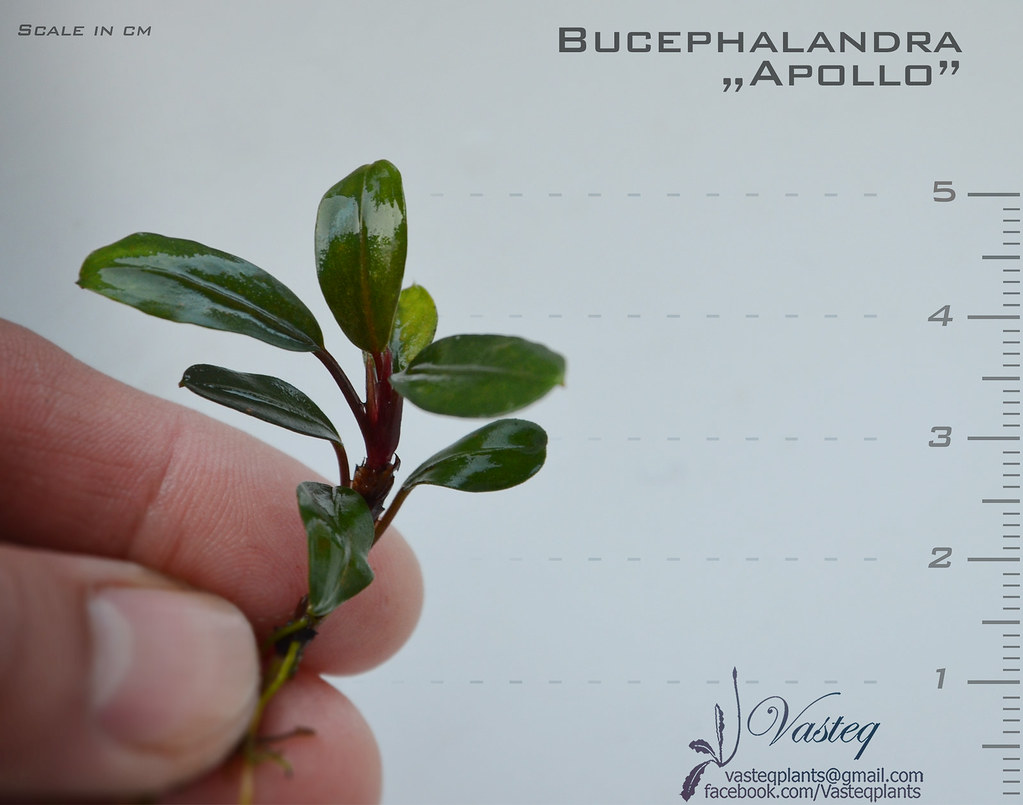
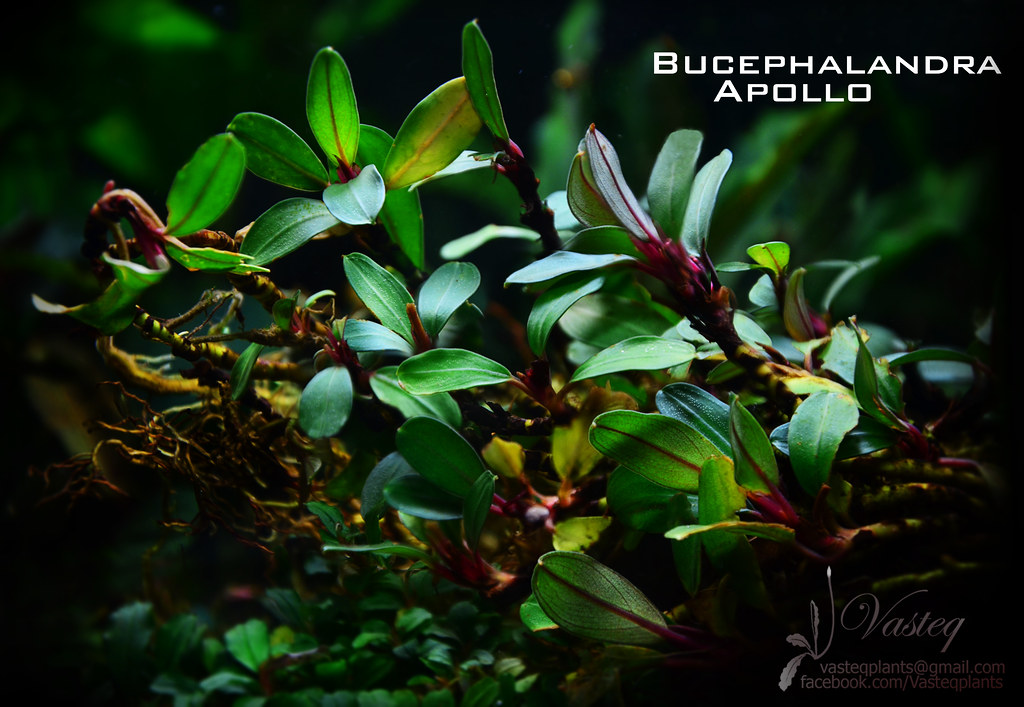
Bucephalandra sp. Apollo

It's probably the smallest of all hard-stemed species. Small leaves are placed on a short, redish stems. This specimen looks like a miniature of the Theia species.


A single seedling has got about 5 cm height, leaves are about 1,5 cm long.


On the pinkish back side of the leaf you can see the redish leaf veins .


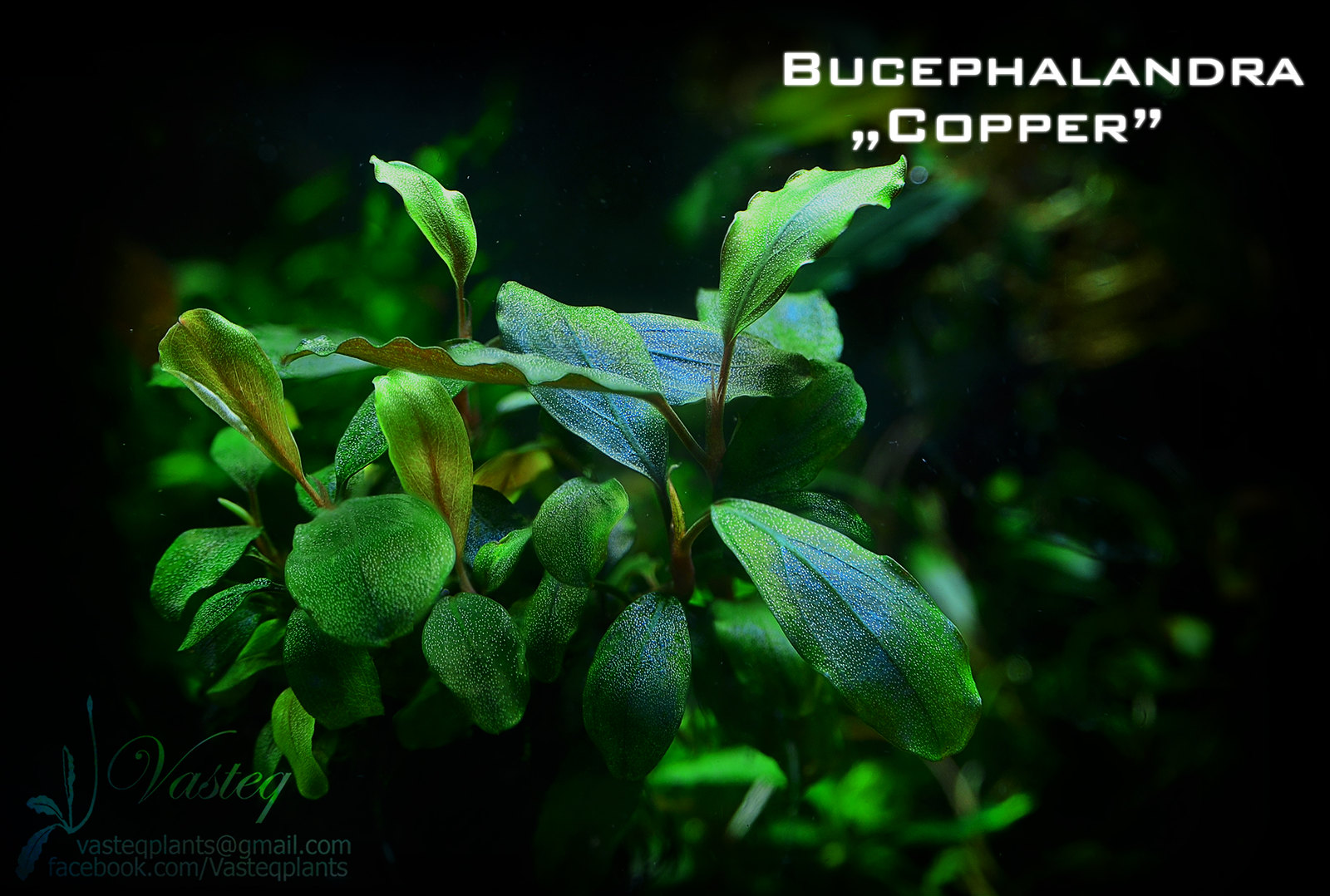
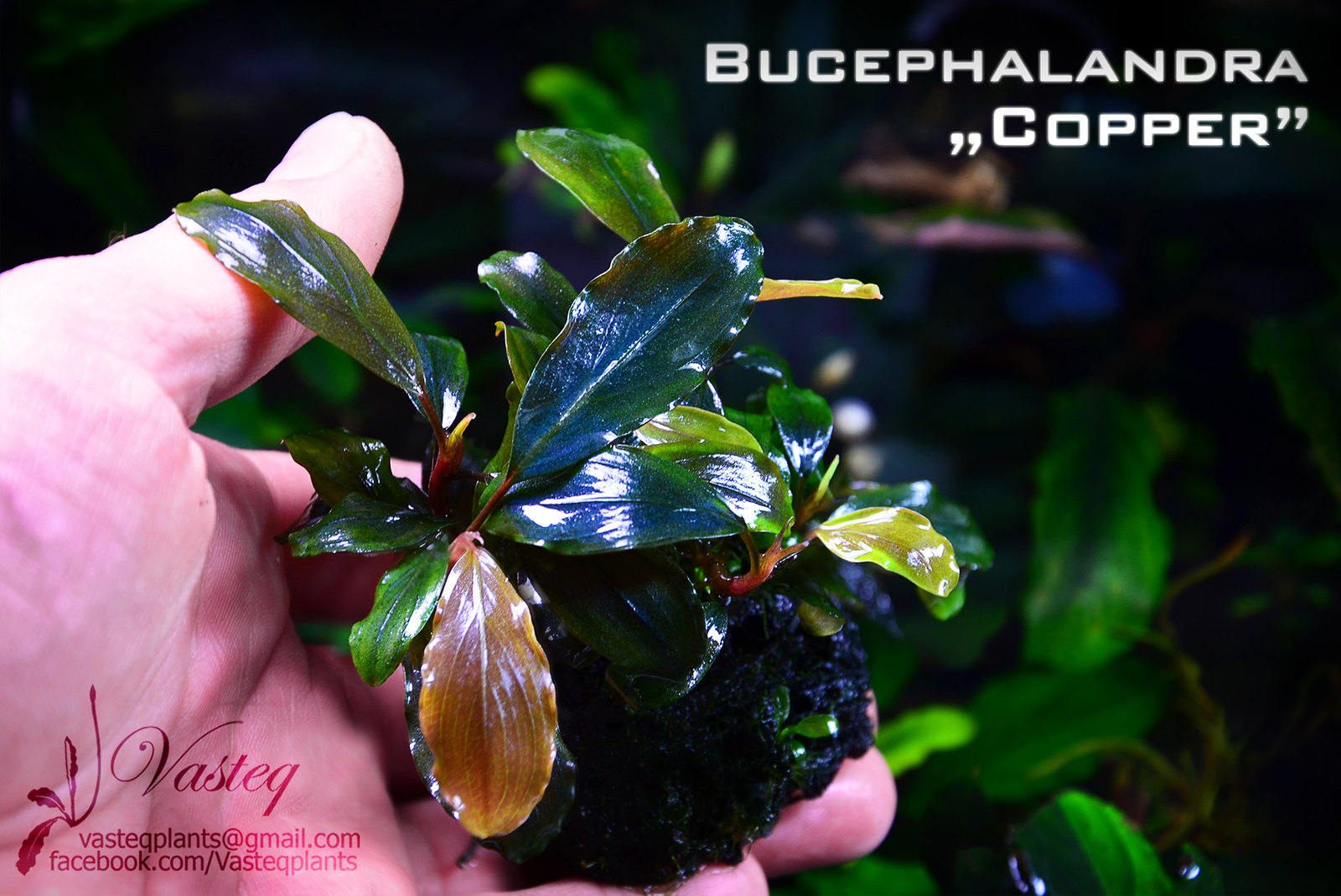
Bucephalandra sp. Copper


If I were to name this plant I'd call it "Rainbow". It's one of the most colourful variety I've ever seen. The specimen is medium sized. Submerged leaves have probably all colors of the rainbow. Young leaves are reddish/orange.  It is one of my favorite and oldest Bucephalandra.


The leave, placed on short stems have the shape of water drops.
With age, the Copper accelerates its rate of growth.


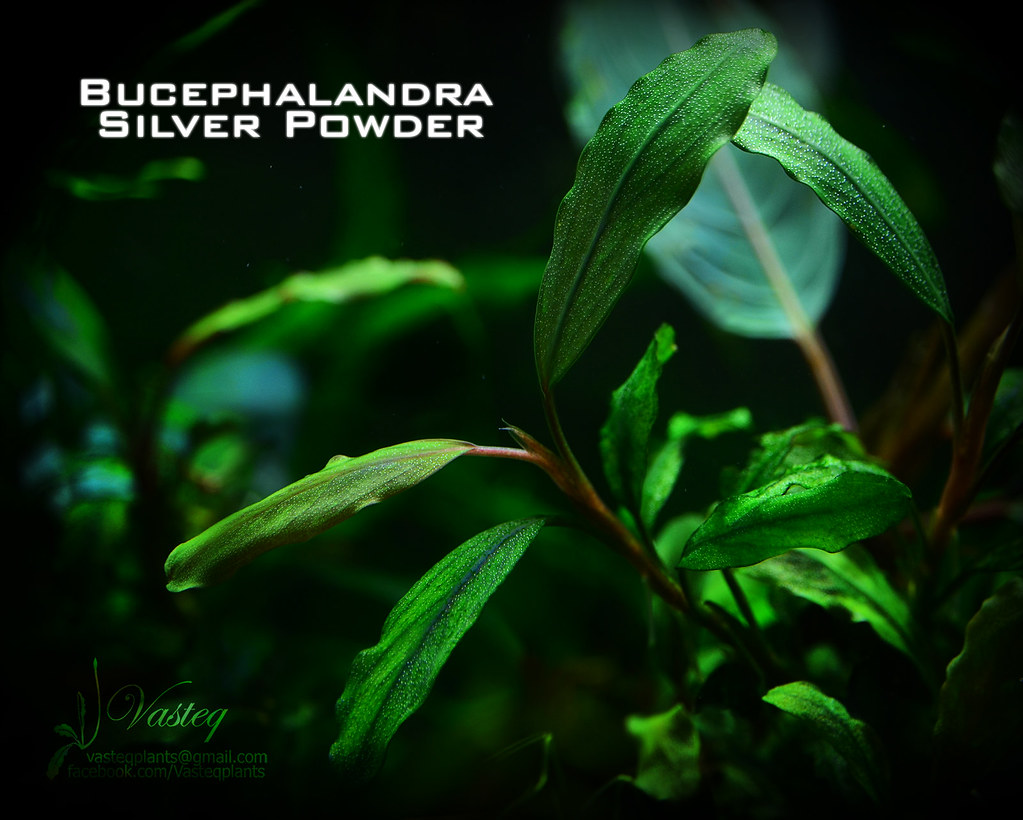
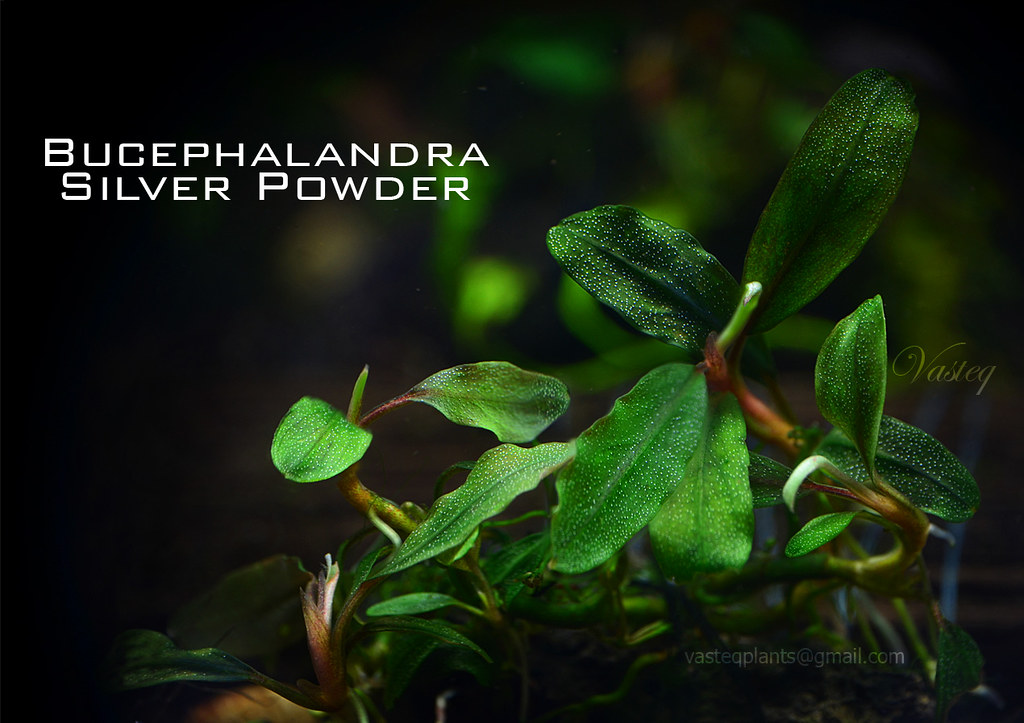
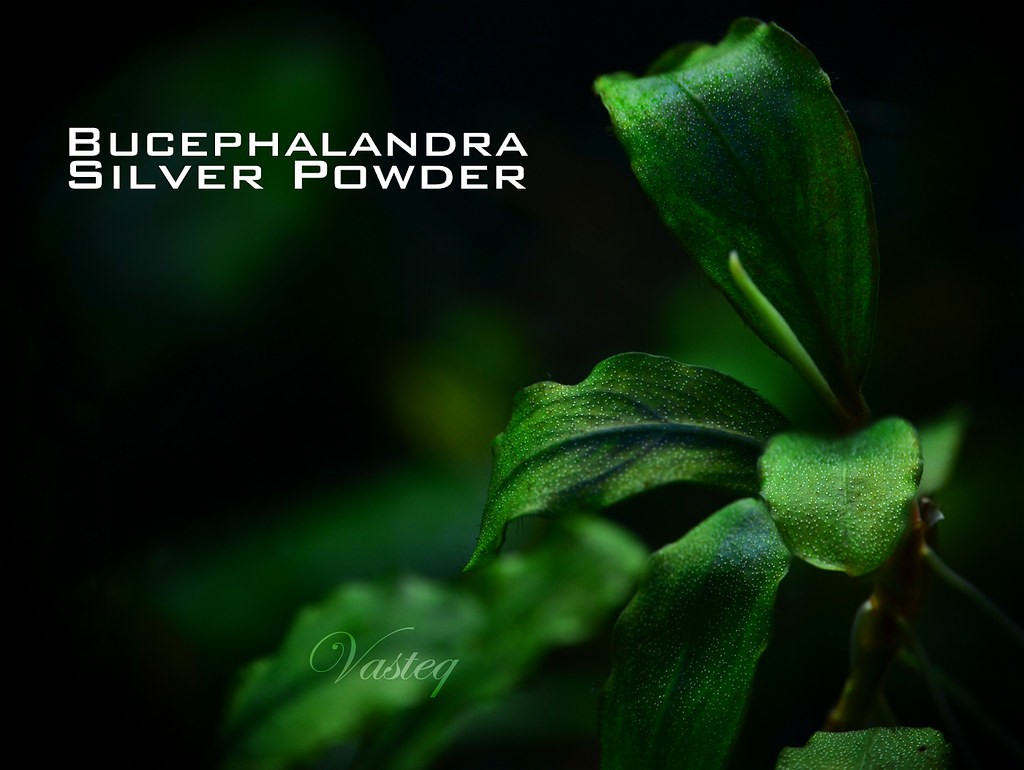
Bucephalandra sp. Silver Powder


It's a quite fast growing specimen. It can creep to rocks, affix to them, and grow on them. Not cuted can grow high. It has beautyful blue veins. New leaves are bright green.


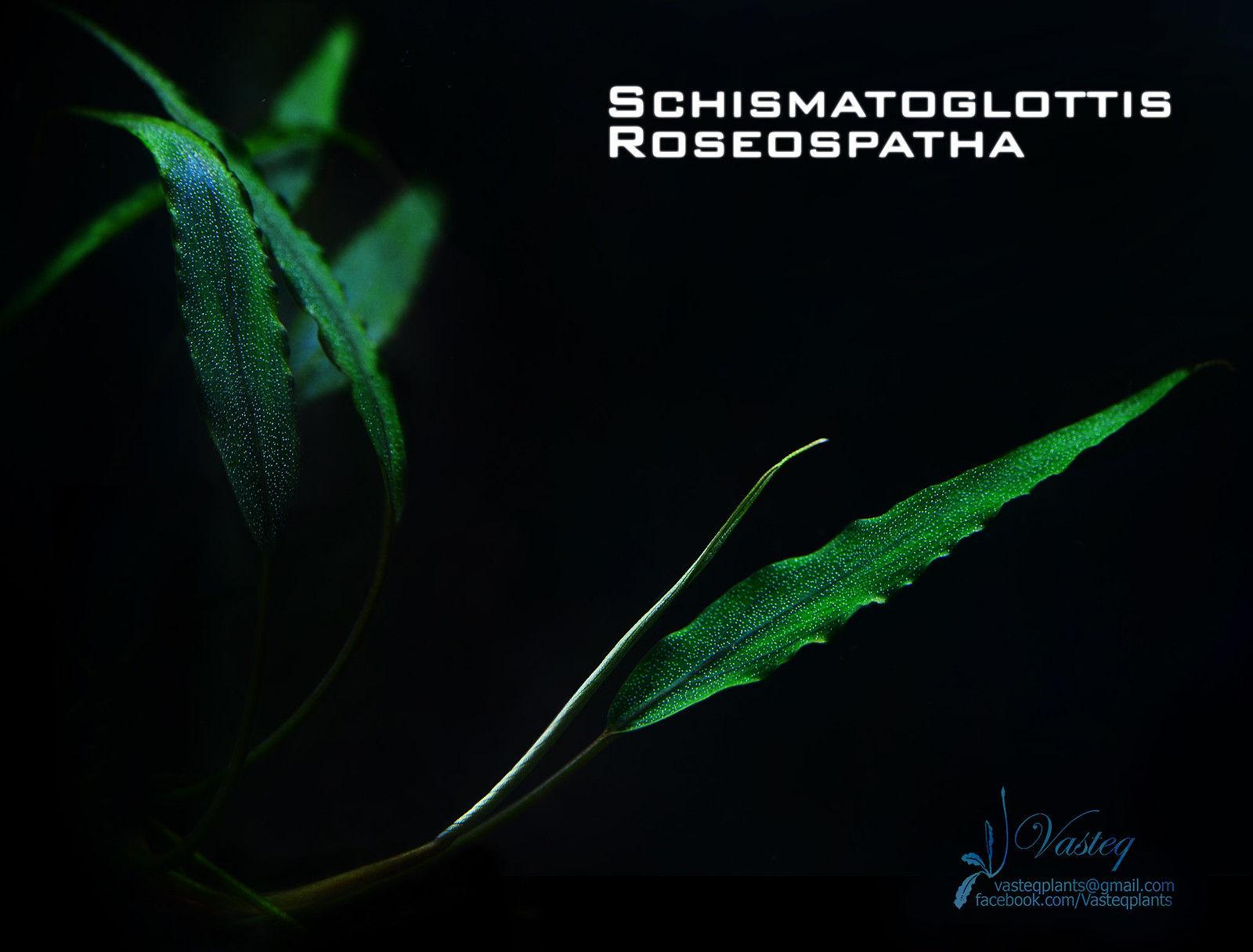
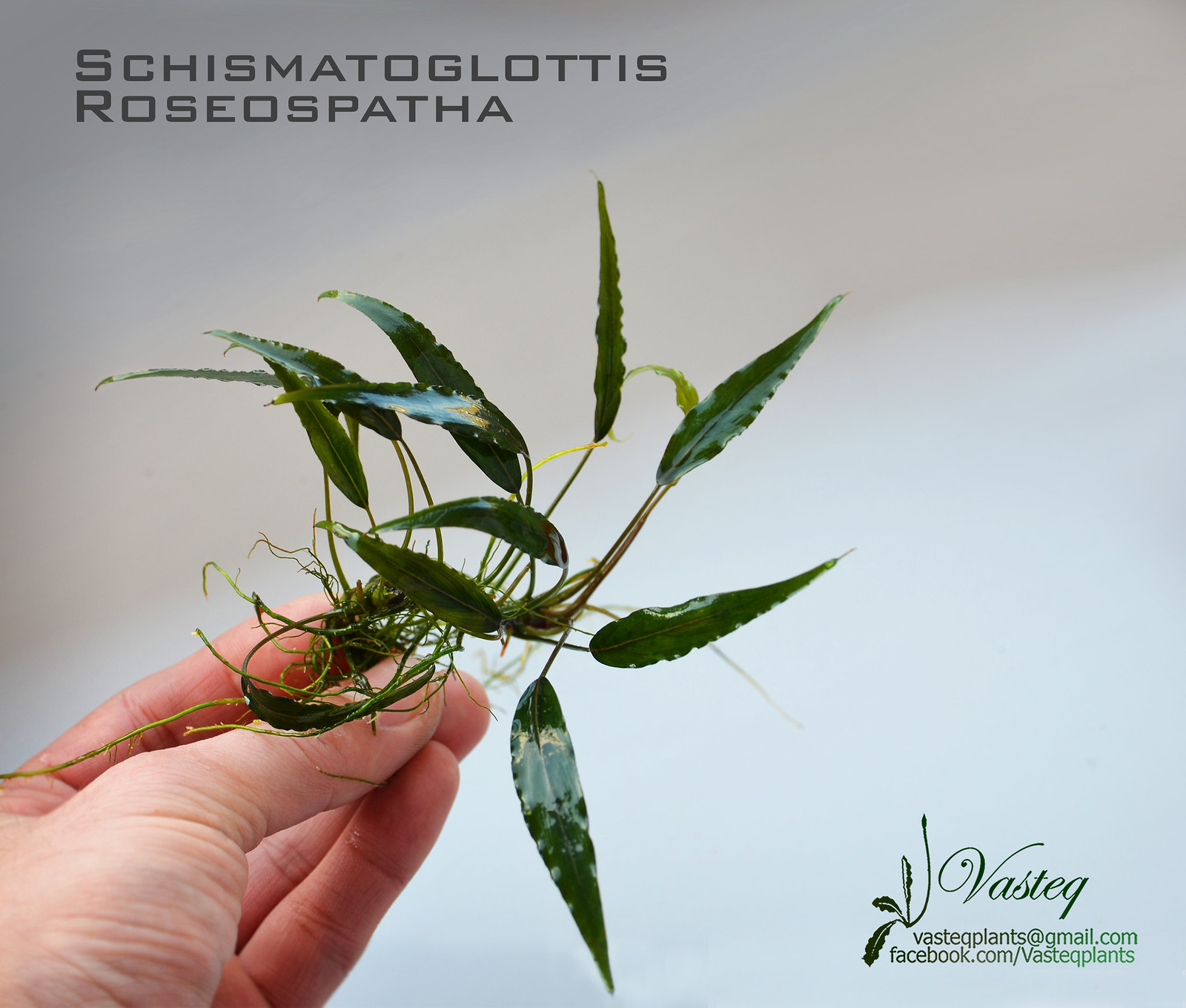
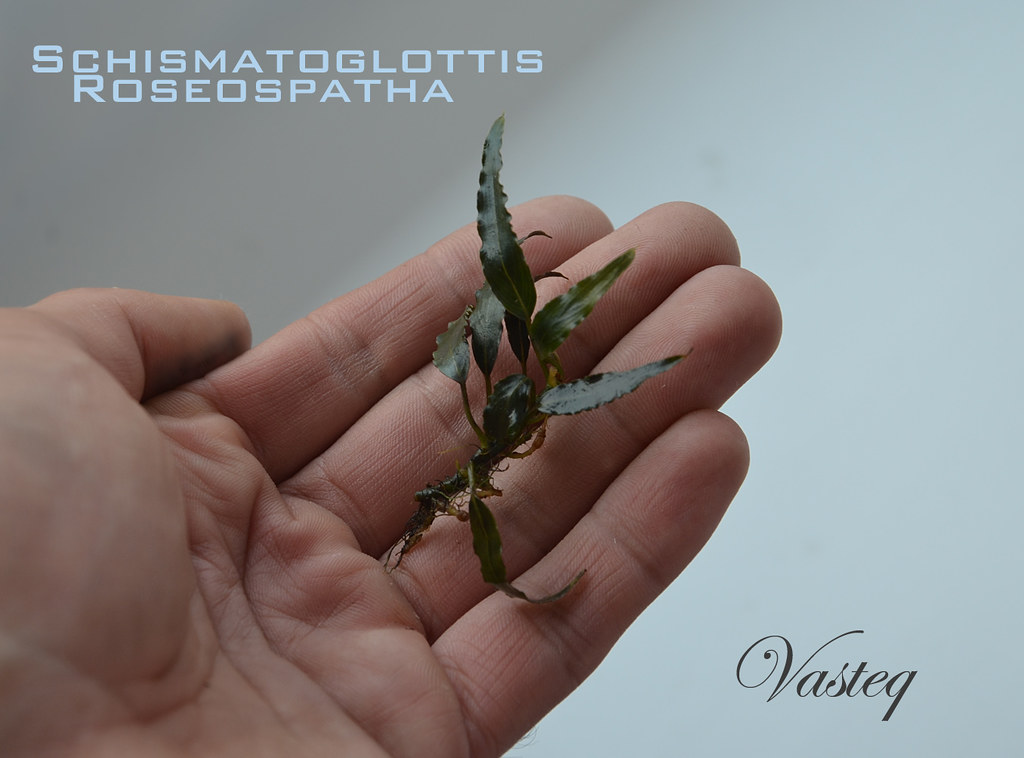
Schismatoglottis Roseospatha


It isn't a Bucephalandra species, but it also belongs to the Araceae family. It also has shining dots and able to attach to the rocks.


It's named for the spathe colour, which in the original collection was rose pink. Wild populations range from rose pink to almost white. In habitat it grows in full sun on water-splashed rocks (P. Boyce).


It's a quite small specimen - it has about 10-12 cm height. Submersed leaves have a visible blue shine with a blue vein. In habitat it grows on wet rocks but also grows in rivers. Variations grow in rivers are smaller.


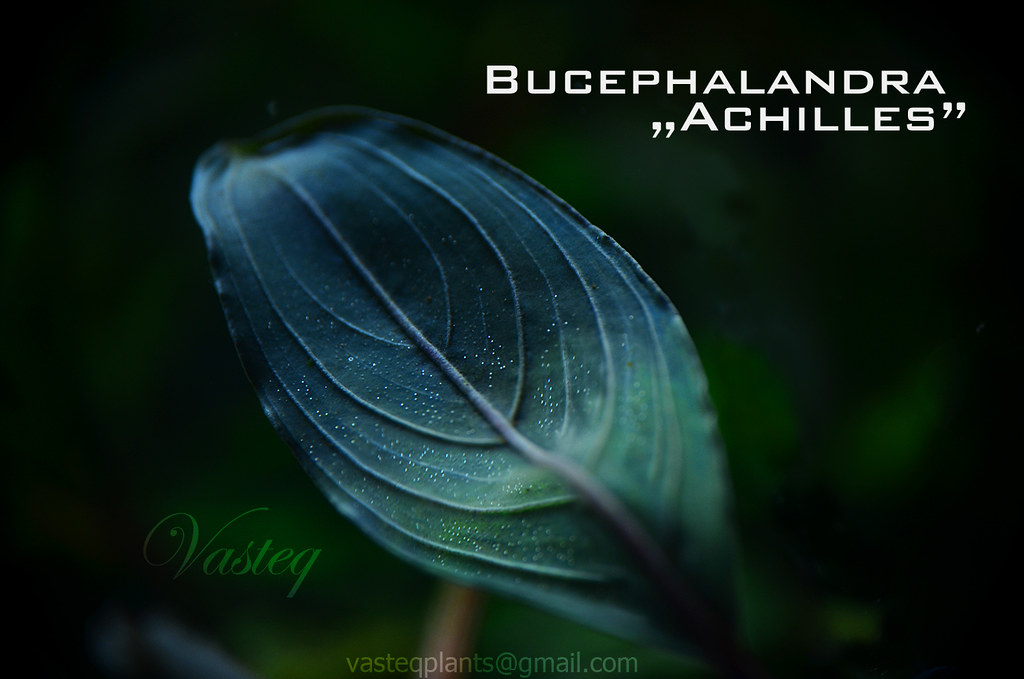
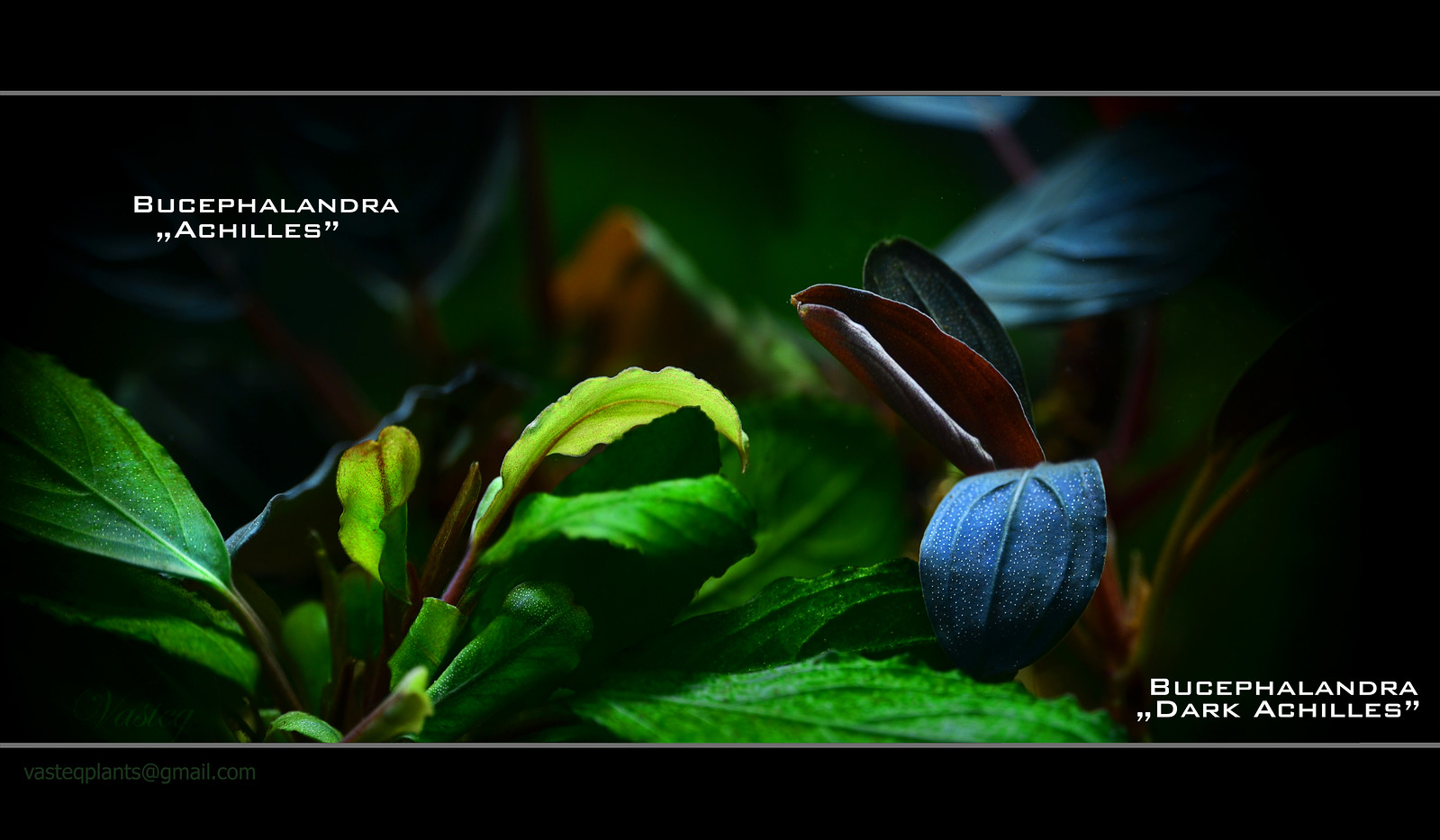
Bucephalandra sp. Achilles, Dark Achilles


Other alternative names: Skeleton King, Dark Skeleton King

The Achilles is probably the biggest Bucephalandra. It's characteristic feature is a highly visible vein of the leaf (more visible in the emers form).


There are two varieties - green and blue (dark blue). 


GREEN ACHILLES is smaller than the Dark. The emers form has green leaves but submersed leaves show blue accents.


DARK ACHILLES is bigger and the leaves are blue or deep blue. Young leaves are reddish.


Achilles flowers are white, but there are also reported varietes with pink flowers. Achilles stems grow vertically so multiplication is done through separation young seedlings appear on thick stems. It is not a creeping specimen like Gaia, Silver Powder or Aegis.


Size comparision:


TIPS: I have observed that in the case of a larger amount of iron in water, Achilles gets pink pigment, and it is also visible in the back side of the leaf.


niedziela, 2 lutego 2014

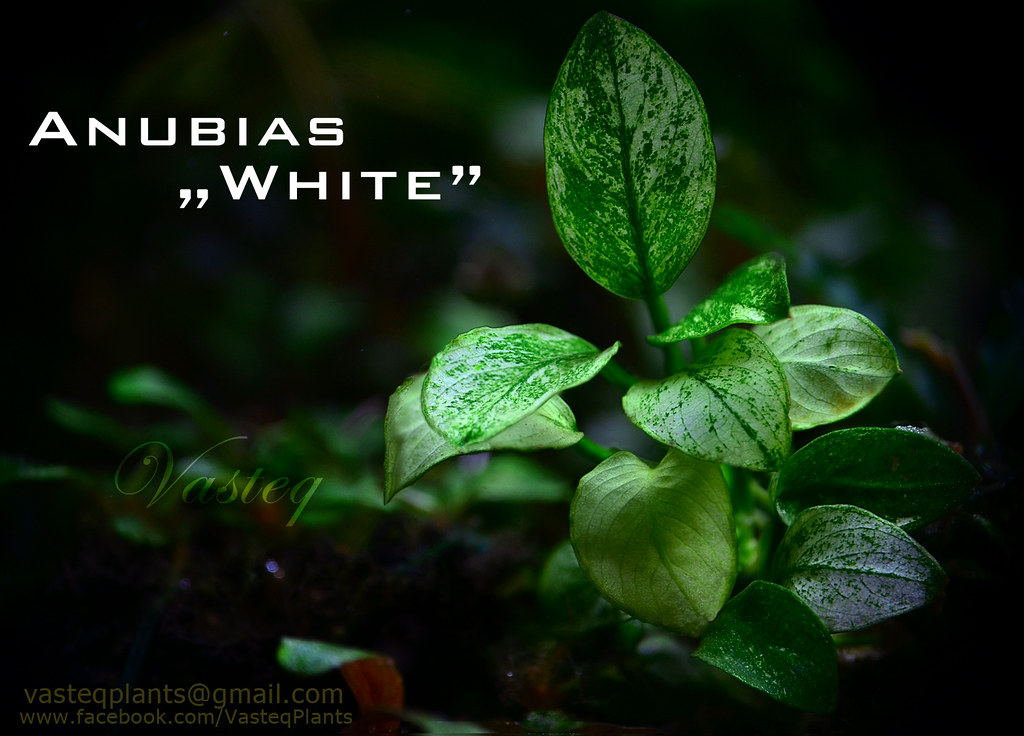
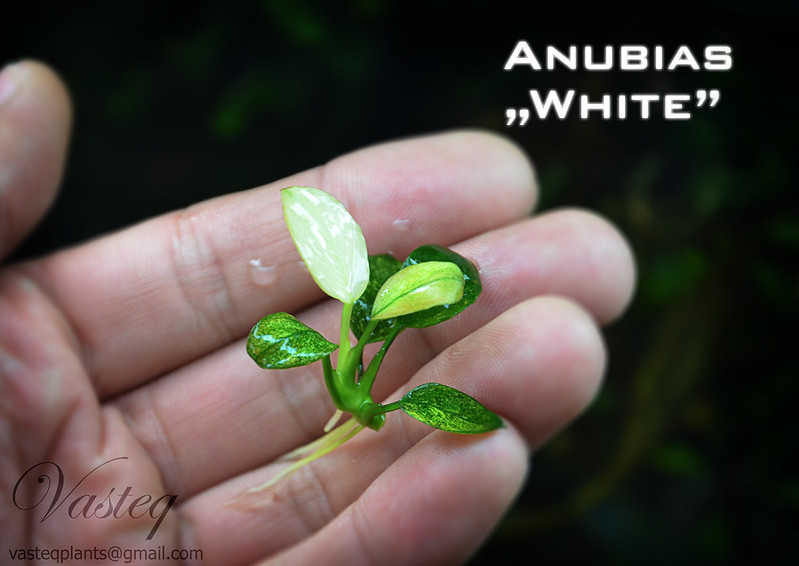
Anubias "White"


It's not a Bucephalandra, but it also belongs to the Araceae family and looks very interesting, so I allowed myself to insert a description here :)

I would like to present one of the most controversial plant in recent times: 
Anubias "White"


Why it is controversial? Because within few aquarists these white leaves raise admiration, others think it's disgusting. Some people say that white-green leaves look weak and sick, as if they were covered with algae. Personally, I think that it is a very interesting plant and it may allow to create a fabulous arrangement together with other, darker plants. 


Because the leaves are white plant needs more light to accelerate its slow growth. It is helpful to bury the plant into the fertilizer substrate. Young seedlings and their leaves are completely white. 


Over time, the leaves continue to darken and green spots are more visible. Belong to small Anubias variations.


czwartek, 30 stycznia 2014

15


This is place for the next translation.
If you want to help me in translation article on other language, please mail to me:

vasteqplants@gmail.com